Balancing Act: Understanding the Importance of Distilled Water pH Levels
Water, the elixir of life, is essential for our well-being. While the importance of staying hydrated is well-known, the pH level of water often remains overlooked. Distilled water, prized for its purity, has a unique role in this context. This article delves into the significance of distilled water ph levels and why maintaining the right balance is crucial for optimal health.
The Basics of pH
Unveiling the pH Scale
The pH scale measures the acidity or alkalinity of a substance, ranging from 0 to 14. A pH of 7 is considered neutral, while values below 7 indicate acidity, and values above 7 signify alkalinity. Our bodies and the environments we inhabit thrive when they maintain a specific pH range.

pH and Health
pH levels influence biochemical processes within our bodies. An imbalance can impact enzyme activity, nutrient absorption, and even cell function. Understanding the pH of the substances we consume, including water, is essential for maintaining physiological harmony.
The Distilled Water Difference
The Purity of Distilled Water
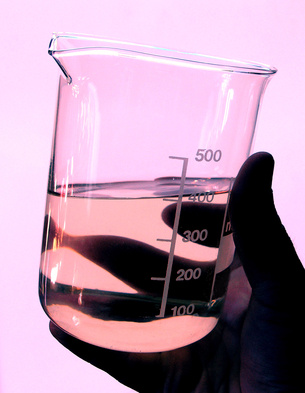
Distilled water is produced by a process that involves vaporizing water and then condensing it back into liquid form, effectively removing impurities and contaminants. While it lacks minerals found in natural water, its purity makes it a blank canvas with a pH level that merits attention.
pH Levels in Distilled Water
Distilled water typically has a neutral pH, hovering around 7. However, factors such as exposure to air and the presence of dissolved carbon dioxide can slightly alter its pH. Understanding and regulating the pH of distilled water is crucial, especially for those who rely on it for various applications, including consumption.
The Importance of Balanced pH
Body’s Acid-Base Balance
Maintaining the body’s acid-base balance, also known as pH homeostasis, is critical. Our blood, for instance, should remain slightly alkaline with a pH between 7.35 and 7.45. Deviations from this range can disrupt cellular function and contribute to health issues.
Implications for Health
Consuming excessively acidic or alkaline substances can impact our health. While a single glass of water might not drastically alter pH levels, consistent consumption of water with imbalanced pH could potentially lead to chronic health concerns over time.
pH and Hydration
The pH of water can influence its taste and texture. Drinking water with an appropriate pH level enhances its palatability, potentially encouraging increased consumption and promoting adequate hydration.
Achieving Balance
Testing and Adjusting pH
For those who rely on distilled water, testing its pH and ensuring it falls within an acceptable range is paramount. pH testing kits are readily available and offer a simple way to monitor the pH of your water.
Alkaline and Acidic Foods
Balancing water’s pH can also be achieved through diet. Consuming a variety of alkaline and acidic foods, such as fruits, vegetables, and whole grains, helps maintain the body’s overall pH equilibrium.
Consultation with Experts
If you have specific health concerns or dietary restrictions, consulting with healthcare professionals or nutritionists can provide personalized guidance on maintaining a balanced pH and overall well-being. Gain insights into the significance of distilled water pH levels and how they contribute to a delicate balancing act in various applications, using this informative Source of Knowledge to deepen your understanding of this crucial aspect.
Conclusion
Understanding the role of pH in distilled water is a key aspect of holistic health. Just as our bodies strive for equilibrium, the water we consume should align with our physiological needs. Balancing the pH of distilled water contributes to overall well-being, ensuring that the water we rely on to sustain us doesn’t inadvertently disrupt the delicate harmony within our bodies.